

Six months ago, we finished renovating what I affectionately call “Longevity House”.
This series is the house tour.
But I should warn you: it’s not the usual kind. There’s no marble island reveal, no walk-in wardrobe moment. The features I’m proudest of are the ones visitors either question or never notice at all.
A three-storey layout people assume we regret. A swimming pool we deliberately didn’t build. A “wellness membership” without paying monthly subscription fees.
We didn’t set out to build a luxury home or a smart home. We wanted a home that quietly made healthy living easier. Looking back, almost every decision fell into three themes: movement, environment and stress reduction. This first article is about movement.
When people think about longevity, they usually think about nutrition, exercise or supplements. They’re all important. But over the last few years, I’ve come to believe that one of the biggest influences on our health isn’t what we know.
It’s the environment we live in.
Someone living beside a park will walk more than someone living next to a six-lane highway. Someone with a standing desk will stand more than someone without one. Someone whose kitchen is stocked with healthy food will eat better than someone surrounded by ultra-processed snacks.
The environment quietly nudges our behaviour long before willpower gets involved.
That idea became the guiding principle behind our renovation. We kept coming back to a question inspired by James Clear’s famous idea in Atomic Habits:
“You do not rise to the level of your goals. You fall to the level of your systems.”
So we asked ourselves:
What would a house look like if it were designed as a system for healthy living?
Our goal wasn’t simply to own a beautiful home. It was to make healthy choices feel automatic. The house itself had to become the system.
Every design decision flowed from one question:
How do we make healthy movement the path of least resistance?
Four decisions made the biggest difference. The first is the one visitors question the most.
1. Stairs Are a Feature, Not a Bug
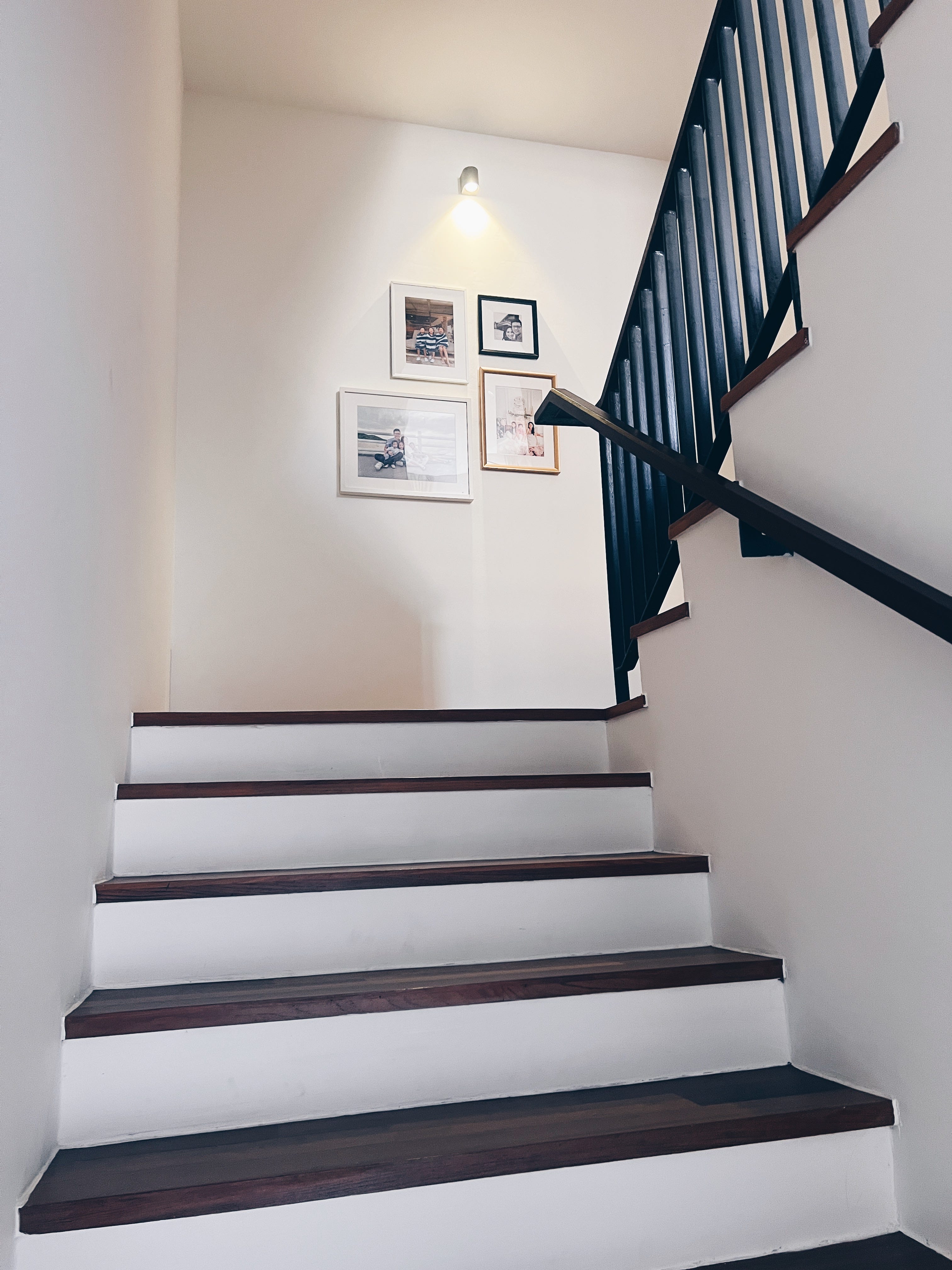
The moment visitors realise the house has three storeys, the same comment arrives:
“Doesn’t that get annoying?”
I always smile, because I see it completely differently. The stairs might be the healthiest feature of the house. And I’ve even started noticing definition in my quads that I haven’t seen since my twenties.
Every day I’m walking up to grab something from my office, checking on the kids, heading down for coffee, climbing up to bed. None of those trips feels like exercise. That’s exactly why they work.
It’s one of the things that fascinates me about the world’s Blue Zones. Nobody there wakes up thinking about getting a workout in. They walk to the market, carry groceries, work in the garden and climb hills because that’s how the day is structured. Movement isn’t an activity. It’s a by-product.
I suspect climbing these stairs every day for the next ten or twenty years will do more for my health than all the gym programmes I’ve enthusiastically started and quietly abandoned.
Takeaway: If movement is built into your home, it no longer depends on motivation.
2. We Chose the Neighbourhood as Carefully as We Chose the House
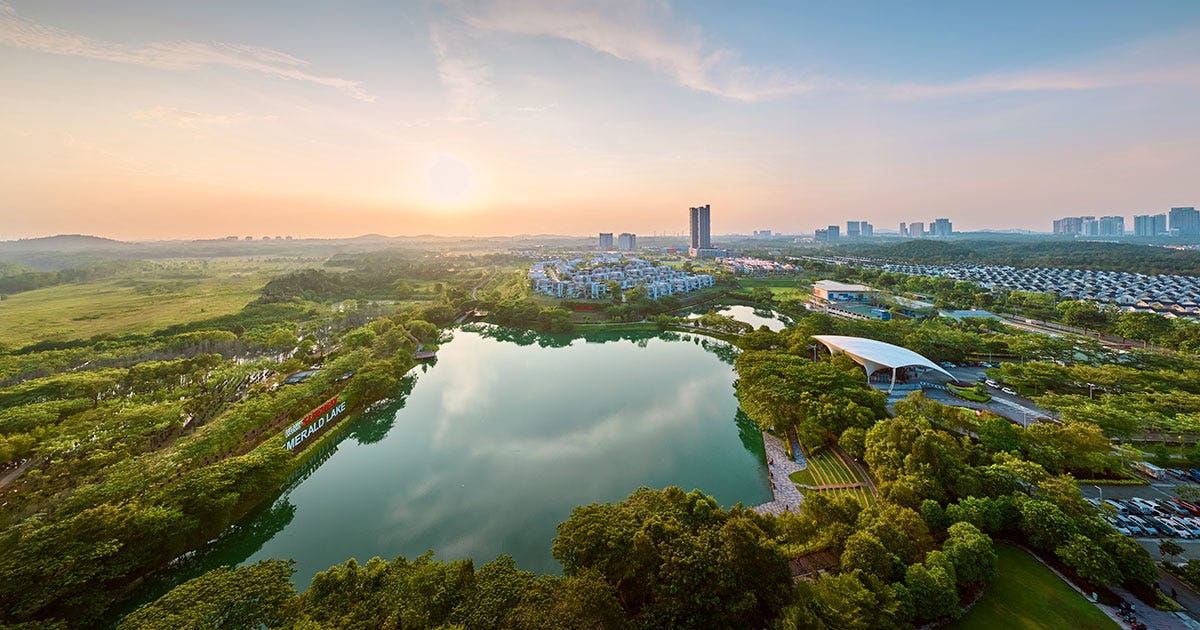
One of my favourite features of our home isn’t actually part of the house.
It’s the lake beside it.
One lap is exactly one kilometre, which turns out to be surprisingly useful. Need 10,000 steps? I know exactly how many laps to walk. Want a 35-minute Zone 2 run? I step out the front door and start running.
No driving somewhere first. No deciding where to go. No friction.
The path is lined with trees. There’s fresh air, fish in the lake, and enough greenery that it never quite feels like exercise.
I’ve realised the best workout isn’t the one with the perfect program. It’s the one that’s easiest to begin. It’s a bit like your iPhone being “the best camera is the one that’s with you”.
Takeaway: Don’t just choose a house. Choose a neighbourhood that makes movement easy.
3. We Chose Access Over Ownership
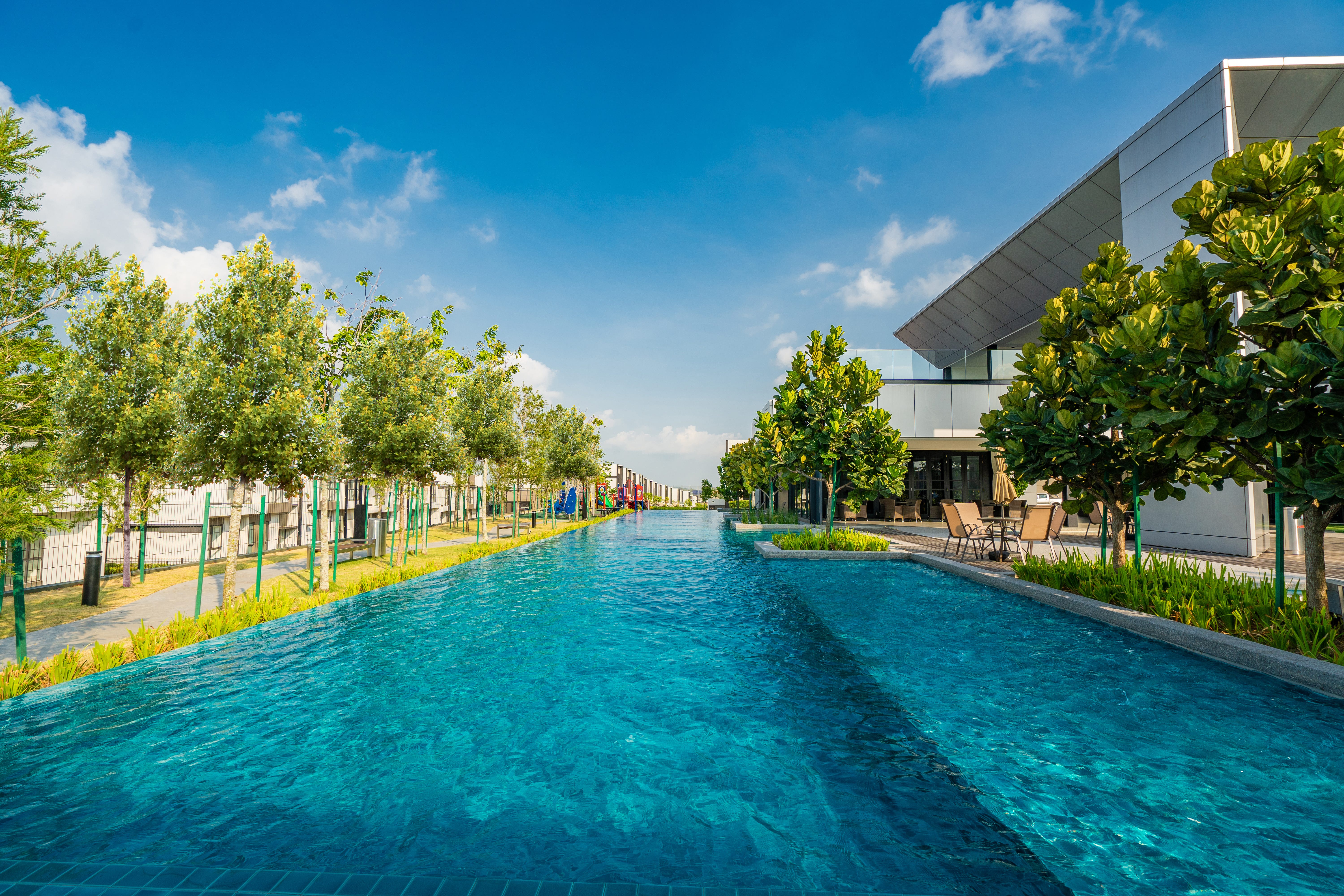
We didn’t build a swimming pool. We could have…I’ve owned one before.
That’s exactly why we didn’t.
A private pool looks impressive, but it comes with cleaning, chemicals, repairs and maintenance. Eventually you realise you’re spending more time looking after the pool than swimming in it.
Our estate has a beautiful communal pool a short walk away. When the kids were younger, they were in it constantly. As they grow older, they will probably use it less. Either way, we get all of the access with none of the upkeep. Nobody spends a weekend maintaining something that sits unused most of the week.
It’s made me rethink ownership more generally. Sometimes we don’t need to own something. We simply need easy access to it.
Takeaway: Access is often better than ownership.
4. The Recovery Zone
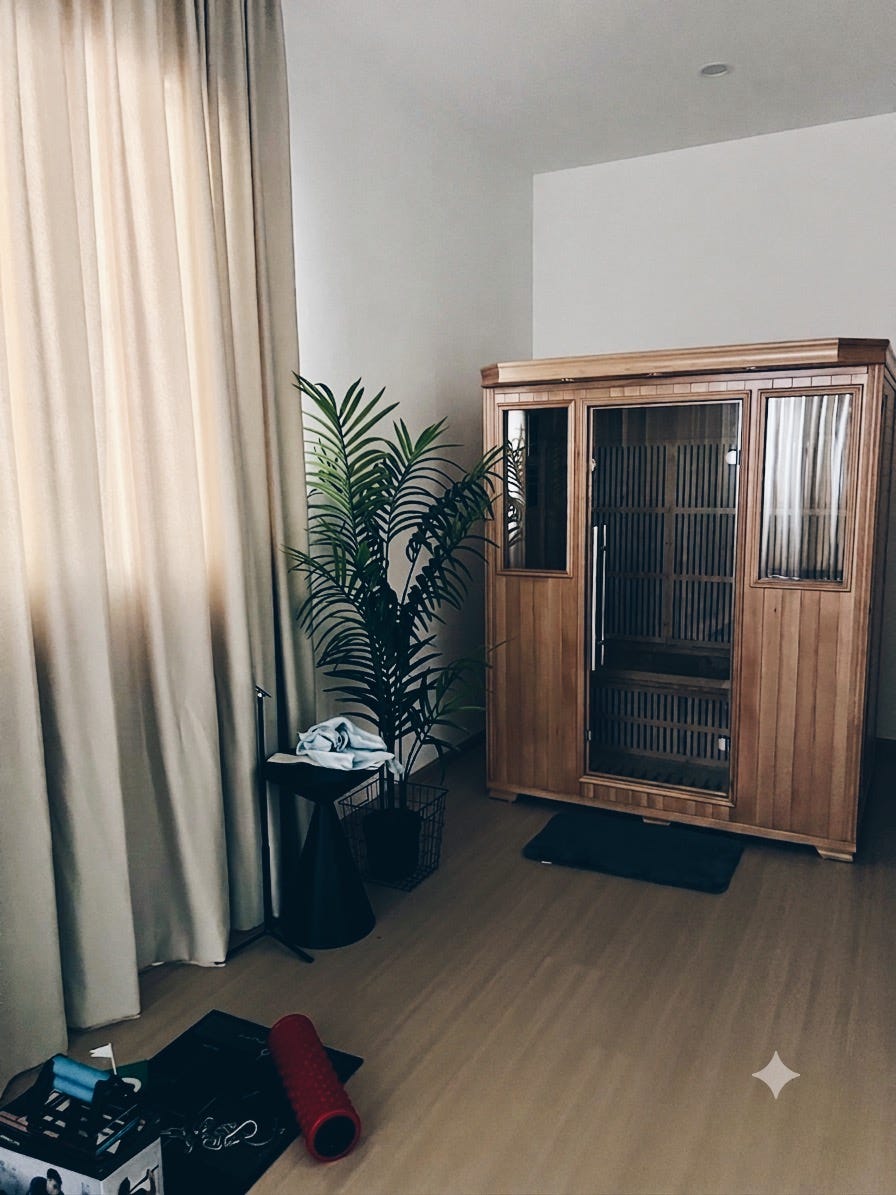
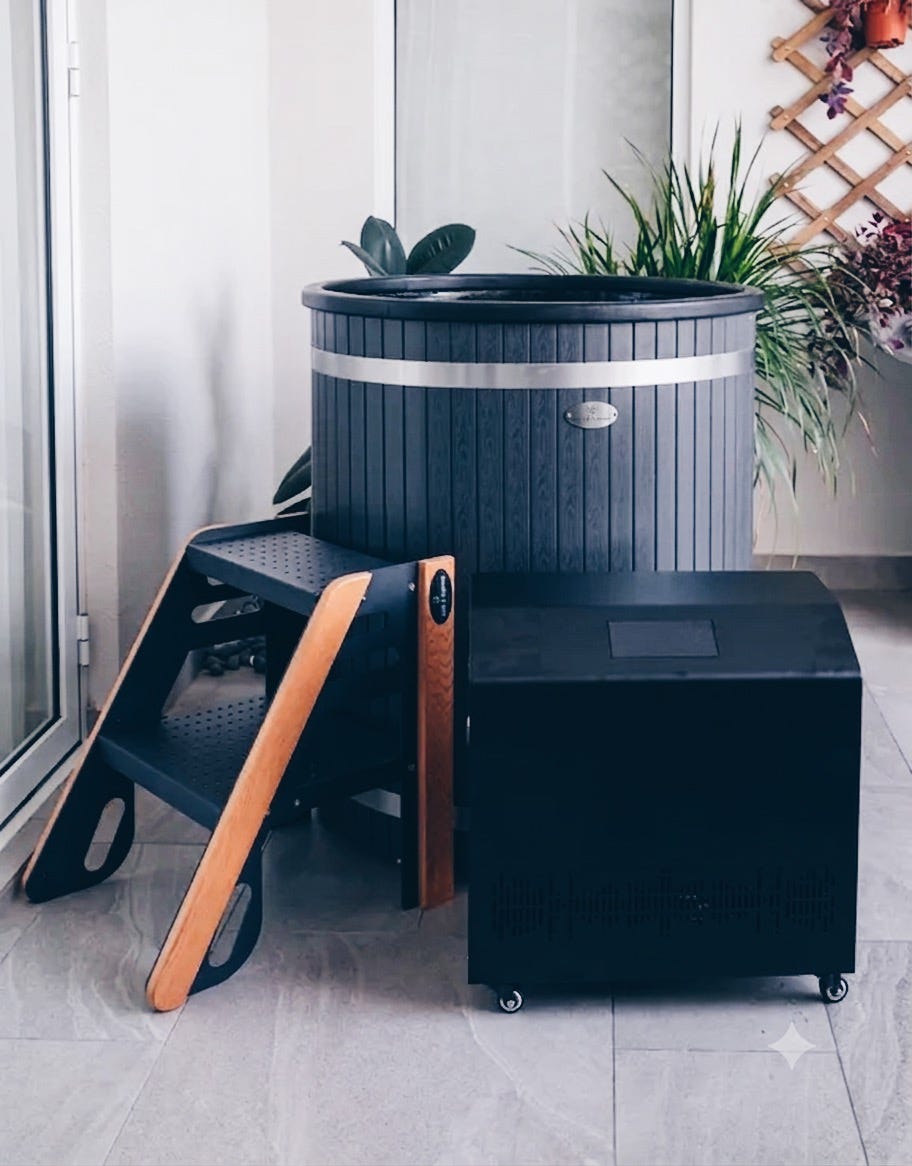
The additions I looked forward to most was the sauna and cold plunge.
Not because I think they’re magic. And not because I believe everyone needs one. I wanted to remove the friction around recovery the same way we removed it around movement.
If I have to drive somewhere to use a sauna, I’ll go a handful of times before life gets in the way. If it’s upstairs, I’ll use it several times a week.
That’s exactly what’s happened. The sauna has become part of my evening routine because it helps me unwind and sleep more deeply.
The cold plunge...I’m still trying to convince myself to enjoy.
Whether these ultimately extend my lifespan isn’t really the point. They’re easy enough to become habits rather than aspirations.
Takeaway: The easier something is to do, the more likely it becomes part of your life.
Final Thoughts
The biggest lesson from this renovation is that movement shouldn’t begin with willpower.
It should begin with design.
We often think healthy habits are the result of discipline. I increasingly think discipline is overrated. Most of us don’t fail because we lack motivation. We fail because our environment quietly encourages the opposite behaviour.
A house with stairs instead of lifts. A lake instead of another shopping centre. A pool we can use but never maintain. Recovery that lives upstairs instead of on the calendar.
None of these things will dramatically change your health on its own. But longevity has never really been about dramatic changes. It’s the accumulation of small decisions, repeated consistently over decades.
That’s what we were trying to build. Not a house with a gym. A calm house that quietly encourages movement every single day.
Design your environment, and it will design your habits.
Coming in Part 2: I’ll share the environmental decisions behind our Longevity House. From whole-house water filtration and lighting to the bedroom we designed specifically for better sleep.