

This is Part 2 of my Longevity House series. In Part 1, I shared how we designed our home to make movement almost automatic. This article is about the features nobody can see.
When people renovate, they naturally spend most of their time on things they can look at. The kitchen. The flooring. The bathrooms. The furniture.
We did all of that too.
But we spent a surprising amount of time (and money) on things visitors will never notice.
The water we drink. The air we breathe. The light we live under. The room we sleep in.
The more I read about longevity, the more I realised these are the things our bodies interact with every single day. Unlike a marble benchtop or a designer sofa, they’re not there to impress anyone. They’re there to quietly improve everyday life.
Here are the five environmental decisions we’d make again without hesitation:
1. Every Drop of Water Starts Clean
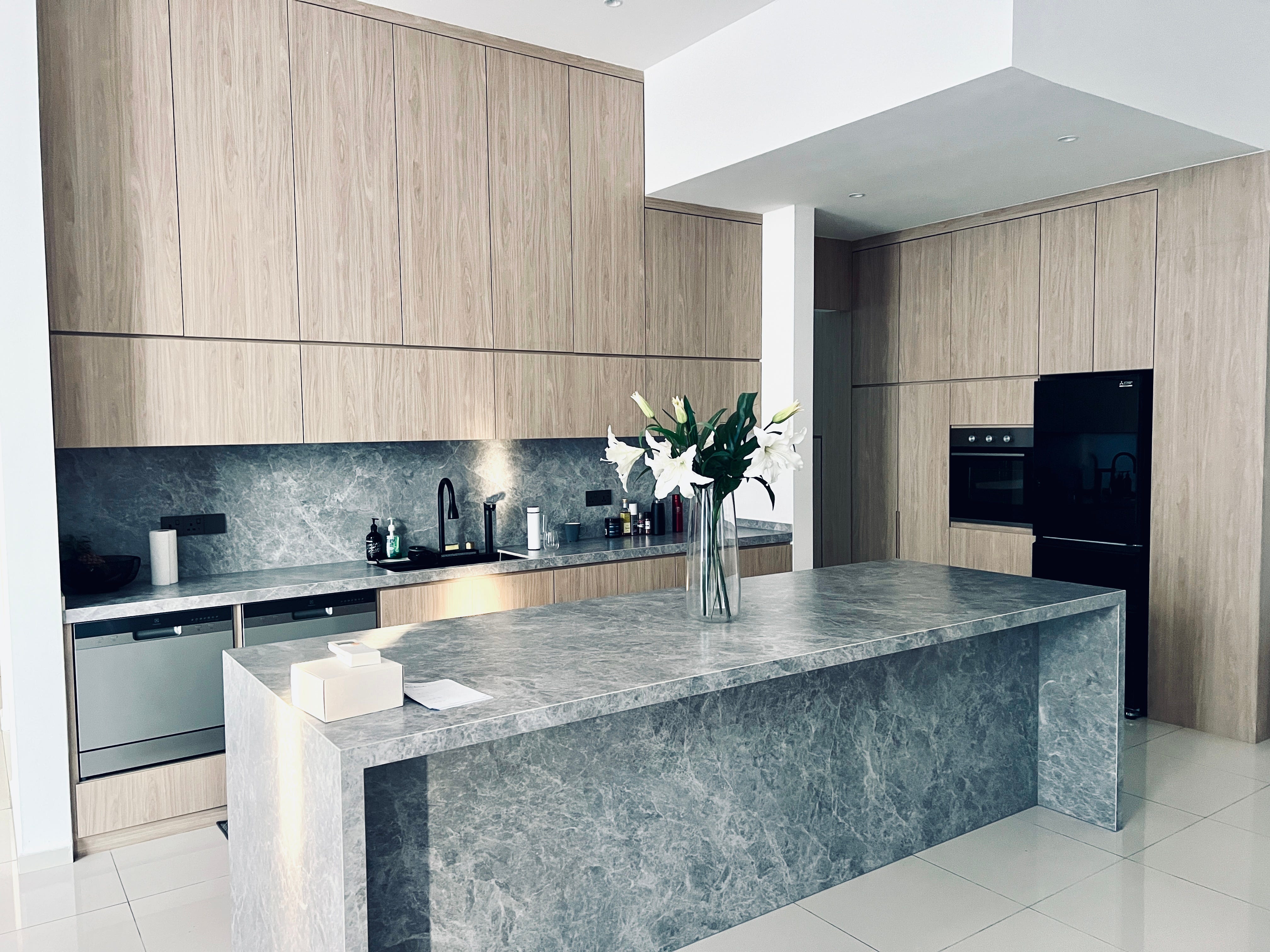
One of the first things we installed isn’t visible at all.
Before water enters the house, it passes through a whole-house reverse-osmosis filtration system. Every shower, every tap and every sink starts with filtered water. Drinking, brushing teeth, showering: everything begins the same way.
For drinking water, we went one step further and installed an under-sink filtration system. One thing I really wanted to avoid was another appliance sitting on the kitchen bench. Instead, all you see is a clean, minimalist tap. Press a button and it instantly dispenses filtered water at room temperature, 45°C or boiling.
It’s one of those features you stop noticing after a week.
Which, to me, is exactly what good design should feel like.
Takeaway: The best systems quietly disappear into everyday life.
2. Lighting Is the Most Underrated Part of a Home
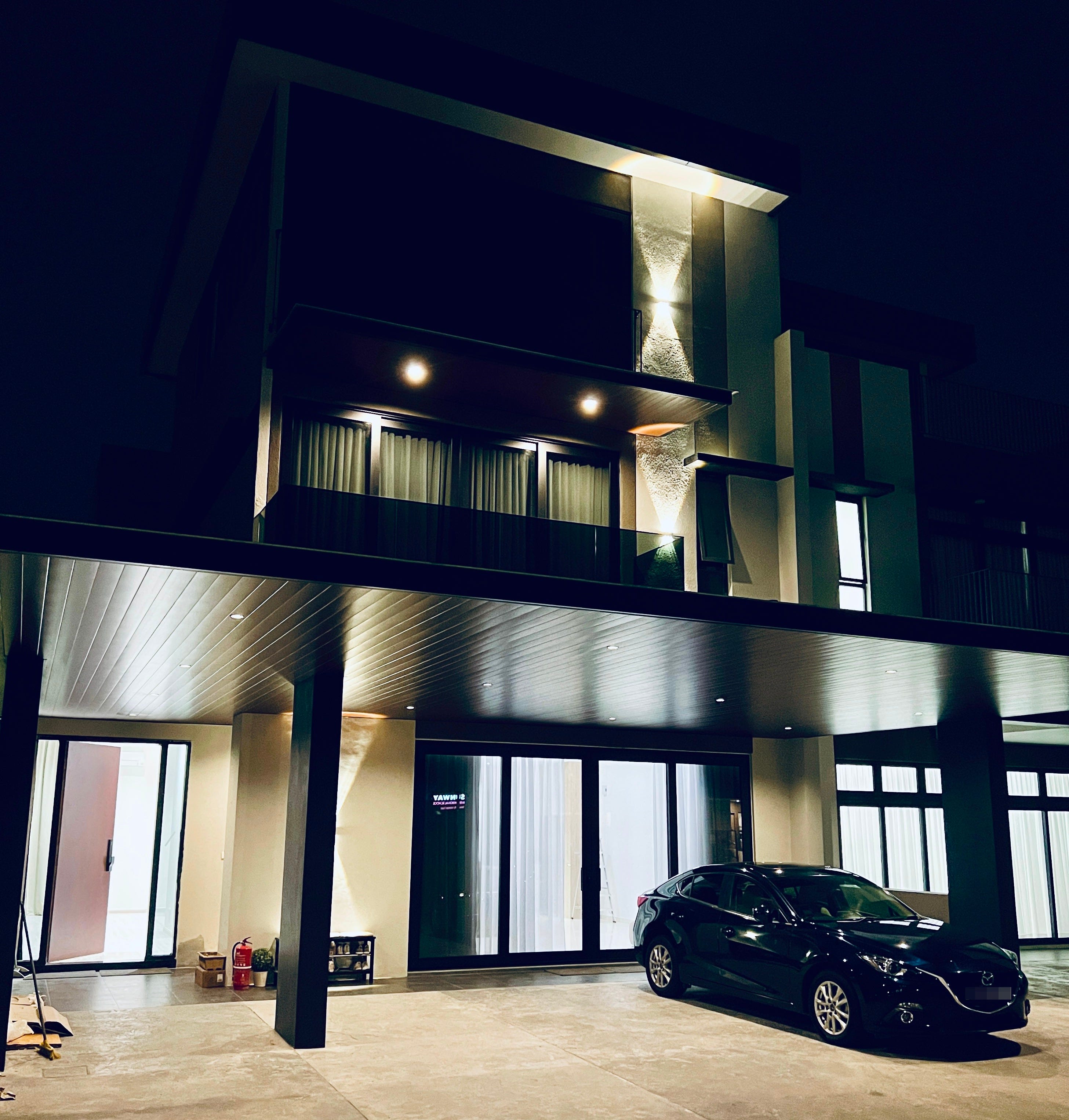
If I were renovating again, I’d spend just as much time on lighting as on choosing furniture.
Almost every room in our house uses warm 3000K lighting. The living room. The bedrooms. Even the lights outside where we park our cars. After a late-night drive home from Singapore, walking into that warm light immediately sets the mood for bedtime.
The only rooms with cool white lighting are the bathrooms, where practicality matters more than ambience.
Lighting doesn’t usually make the shortlist when people talk about their favourite renovation decisions. I think it should. It quietly shapes how a home feels every single evening.
Takeaway: Don’t just choose your furniture. Choose how your home will feel.
3. We Designed the Bedroom for Sleep
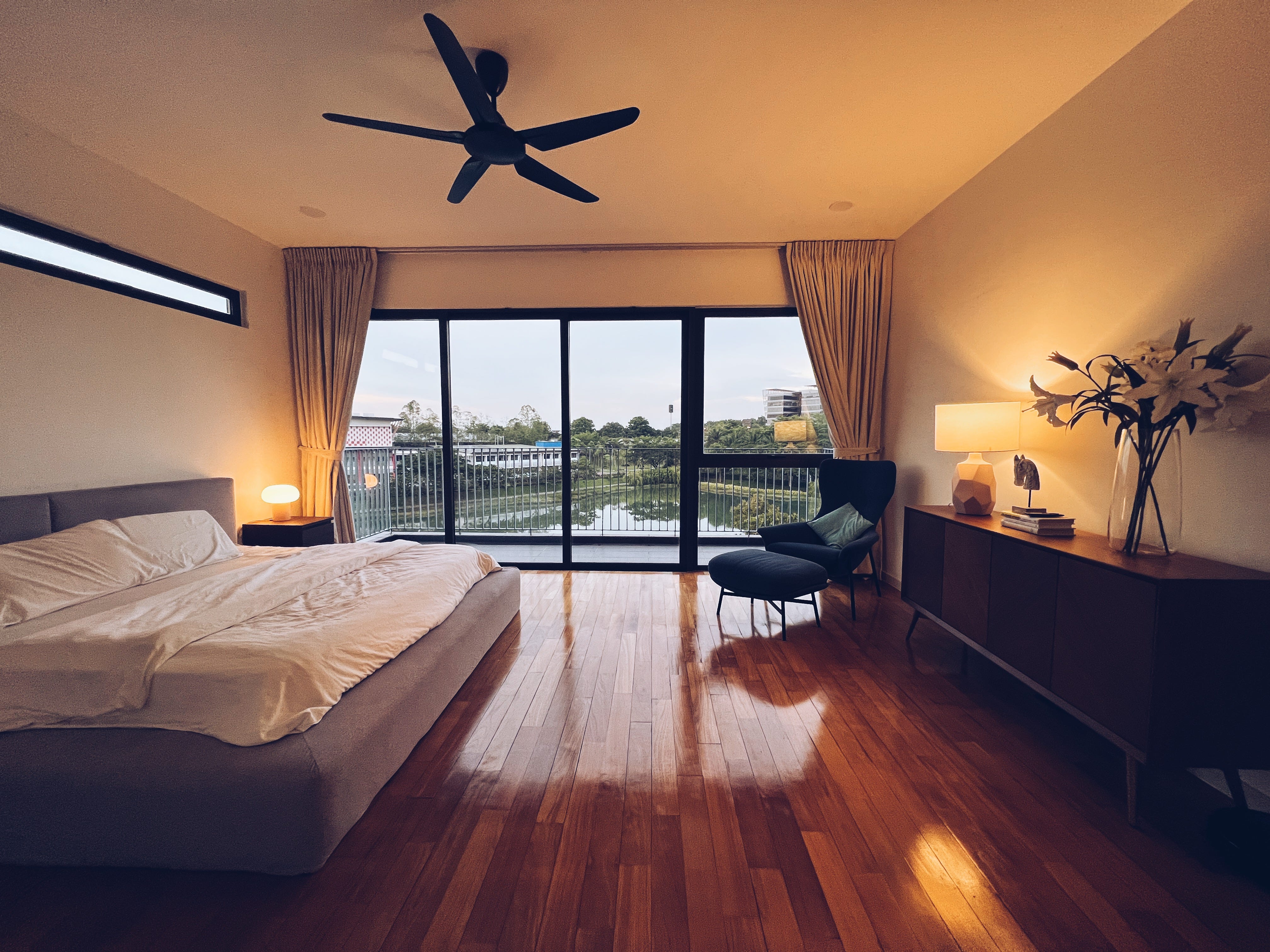
We spend roughly a third of our lives asleep. It seemed strange to spend months choosing kitchen finishes but almost no time thinking about the room where our bodies recover every night.
So we worked backwards from a simple question: what would an ideal sleeping environment look like?
Temperature came first. Every bedroom has an air conditioner capable of making the room genuinely cold. I sleep noticeably better in a cooler room, so we made that the default rather than something we occasionally achieved.
Next, keeping the rooms cool and dark throughout the day. Every bedroom window is double-glazed, tempered and tinted. Less heat from the sun, better insulation, and noticeably quieter rooms.
Then there’s the tiny detail: the blackout curtains in every bedroom overlap in the middle, so there’s no strip of morning light leaking through the gap. Nobody notices it during the build.
You notice it every single morning.
Inside the room, every bedside lamp uses warm lighting, and we keep a red light on hand for even softer light before bed. The pillows took far longer to find than I expected: slow-rebound memory foam with a cervical curve that properly supports the neck. Considering we spend around eight hours a night on them, the search felt like a worthwhile investment.
Finally, I sleep under a weighted blanket. Whether it’s the gentle pressure or simply the feeling of being cocooned, it makes it easier to relax and fall asleep. It’s the one thing I miss whenever I’m travelling.
None of these decisions is remarkable on its own. Together, they create a bedroom that’s cool, dark, quiet and comfortable.
That’s exactly what we wanted.
If you’re interested, I’ve written separately about the habits and routines that improved my sleep outside the bedroom as well.
→ Read: How to Sleep Better (Even When You Have Kids)
Takeaway: Sleep isn’t something you do. It’s an environment you create.
4. Clean Air Shouldn’t Require Thinking About
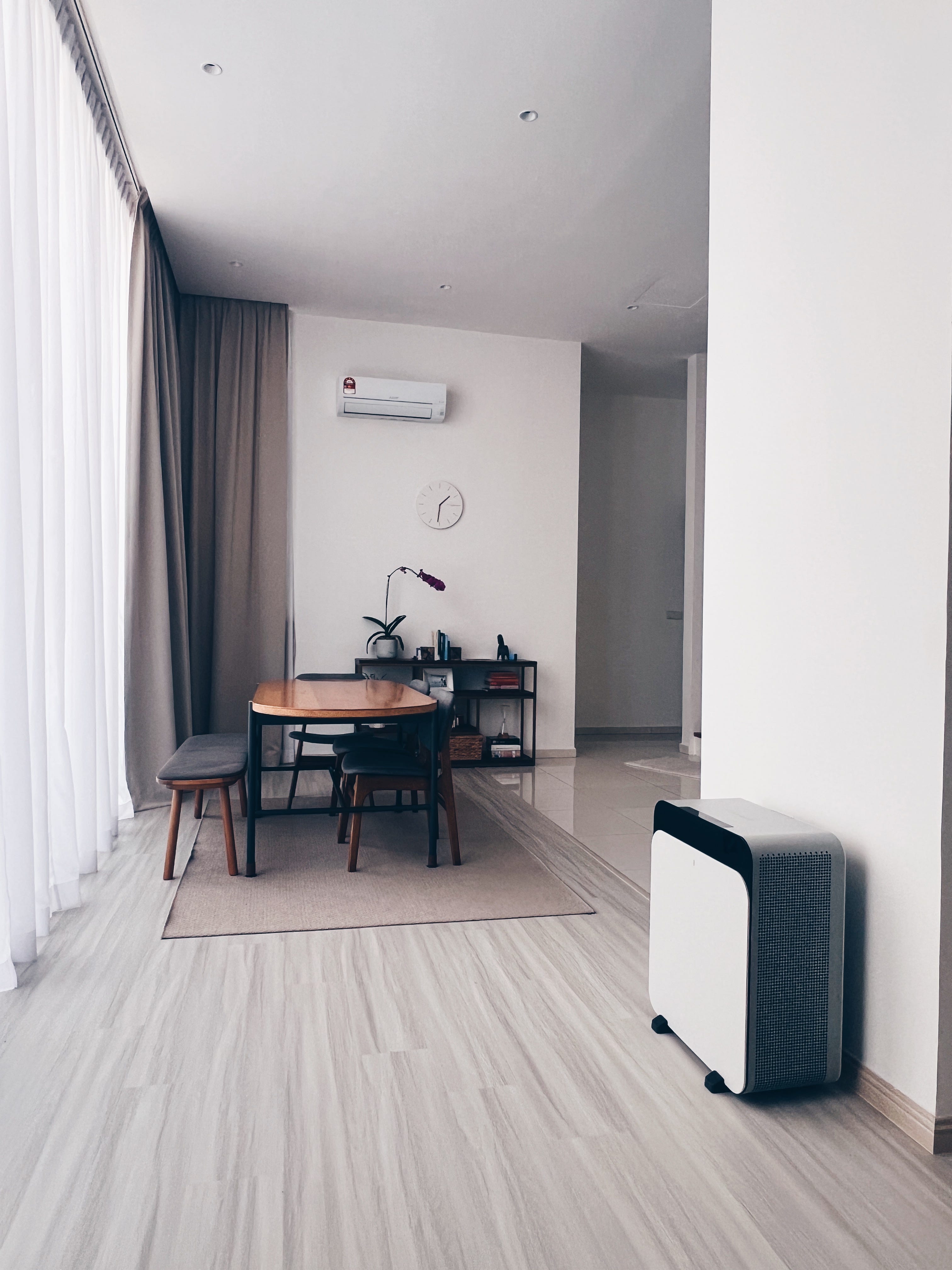
We have an industrial-grade air purifier in the main living area, quietly running HEPA filtration in the background.
HEPA filters capture the particles you’d never see. Dust, pollen, smoke, and the fine particulate matter known as PM2.5.
PM2.5 is the air metric I pay the most attention to, because it’s the one most closely tied to longevity. These particles are small enough to slip past the lungs and into the bloodstream, and long-term exposure is one of the strongest environmental predictors of cardiovascular disease. The WHO recommends keeping annual exposure below 5 µg/m³. Most cities in this region don’t come close, and indoor air is often dirtier than people assume.
So we don’t guess. The purifier tracks the air quality in real time, and on a normal day the PM2.5 reading indoors sits comfortably low.
Most of the time I barely notice the machine is there. That’s the point. It’s on the days the haze rolls in, when the outdoor numbers climb, that it earns its place: the indoor reading stays clean for the family while the rest of the neighbourhood is closing windows.
Like many of the decisions in this renovation, it’s something we hope rarely to think about. Good design often works that way.
Takeaway: The best health investments are often the ones you forget you made.
5. Small Choices Compound
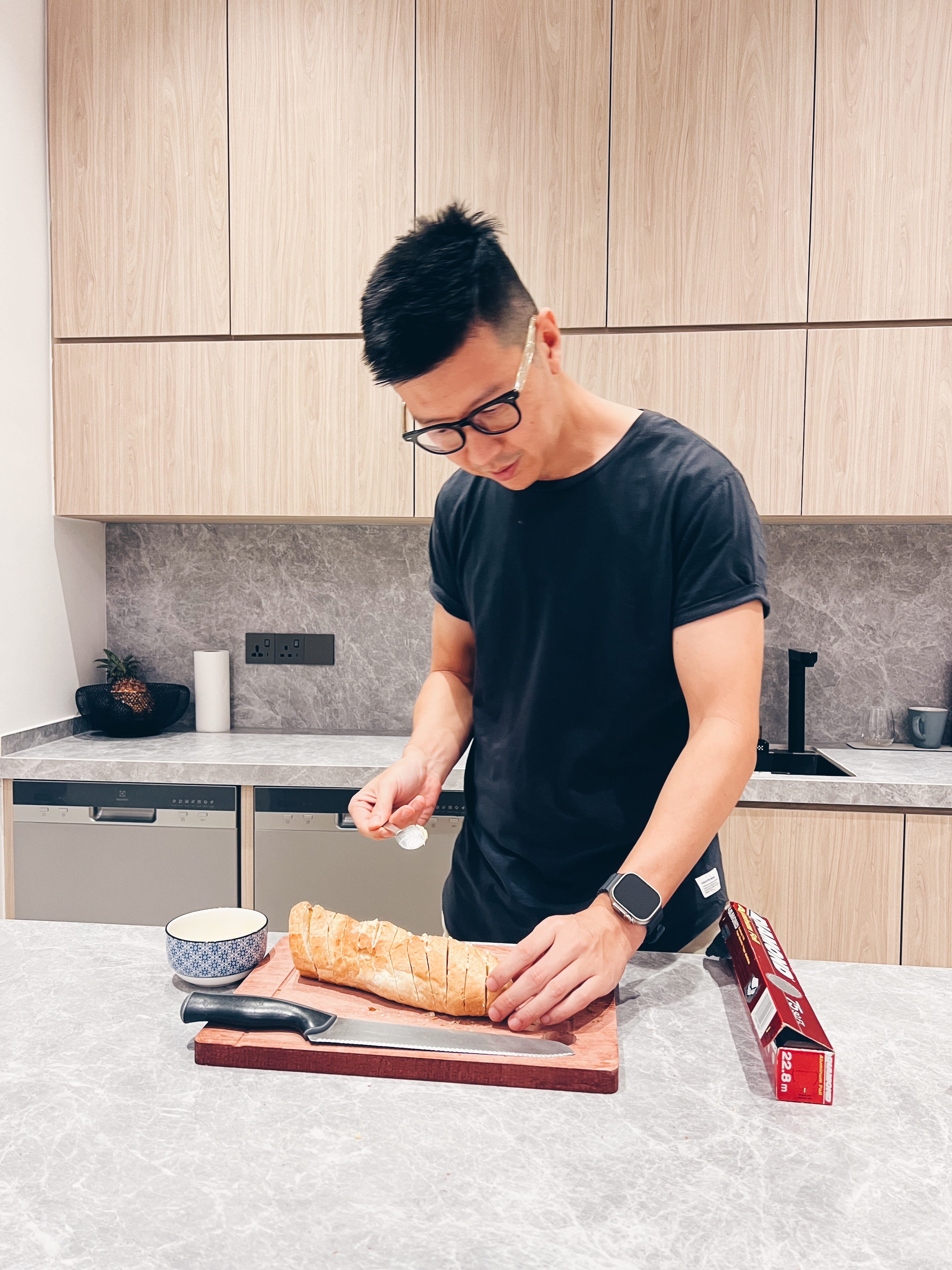
Finally, we’ve reduced plastic and teflon wherever it’s practical. Most of our leftovers go into glass containers. The kids carry stainless steel lunch boxes instead of plastic ones.
I’m not trying to eliminate every possible source of plastic exposure. That’s neither practical nor realistic. But when there’s an easy swap that requires almost no extra effort, we’ll usually make it.
I’ve come to believe longevity isn’t about making perfect decisions. It’s about making slightly better ones, consistently.
Takeaway: Don’t aim for perfection. Aim for better defaults.
Final Thoughts
One thing this renovation taught me is that the most important parts of a home are often the ones you can’t photograph.
Clean water. Fresh air. Warm lighting. A bedroom that’s cool, quiet and dark.
Guests don’t compliment these features. Your body experiences them every single day.
I don’t know whether any one of these decisions will meaningfully extend my lifespan. I do know that together they make good sleep easier, healthy choices more convenient and everyday life a little more enjoyable.
That’s enough reason for me.
Design your environment, and it will design your habits.
Coming in Part 3, the most unexpected lesson from the entire renovation - how removing tiny moments of friction can dramatically reduce stress. It includes the one feature that surprises every single guest: why our kitchen has two dishwashers.